Grade 6 Project
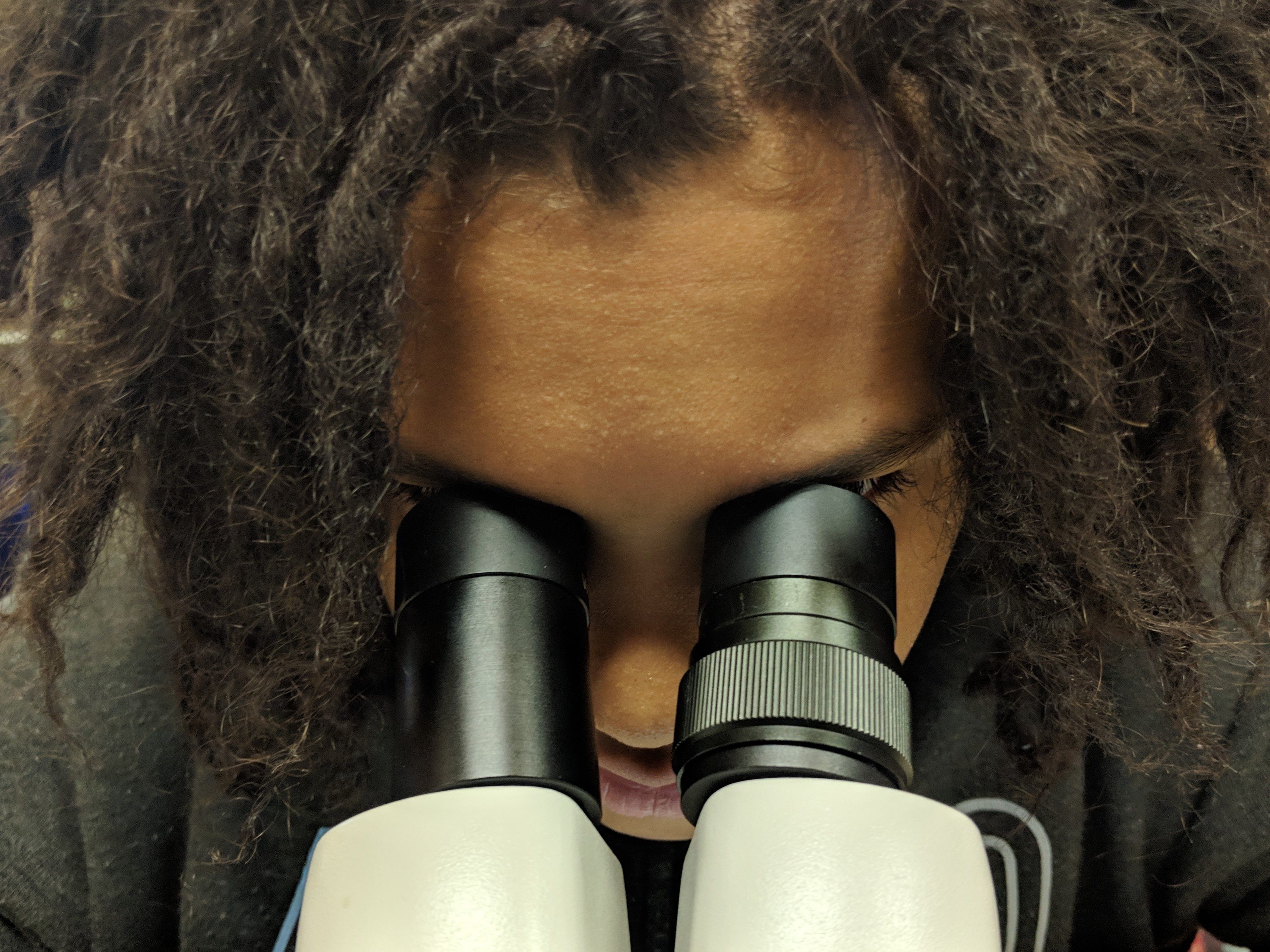
Students in sixth grade assess water quality by examining physical (temperature), chemical (nitrate, phosphate, dissolved oxygen), and biological (macroinvertebrates) water quality indicators. They also explore some of the ways that human activities can decrease the quality of the water in our Chesapeake Bay watershed. While conducting their research, students discovered how plastic waste is dirtying our waters and is causing problems for aquatic animals who eat these plastics or get caught in them. They are taking action to reduce plastic waste with a plastics recycling program at their school and partnering with the TREX company who convert plastic into benches and decking materials. Students can use the Youtube playlist to explore aspects of the watershed, such as water quality testing and site analysis.
Issue Investigation
Students study water health, pollutants in watersheds, and habitats in their local watershed. In language arts, students discover issues caused by plastics pollutions with the Me and Marvin Gardens novel. They research a pollution topic of their choice to create an informative essay. In science, students studied the molecular nature & behavior of water, chemical & biological water quality tests, and parts and processes of watersheds. In mathematics, students determine how much plastic can be prevented from entering the Shenandoah River, organize and analyze the field data and make predictions. In social science, students learned what was used before plastics to hold things. They analyzed how Native Americans, Explorers, Colonists, and 1st Americans reuse and recycle.
Field Experience
Students visited Blandy Experimental Farm where they learned about water and its impact on people and the ecosystem. They investigate water chemistry testing, macroinvertebrates as bioindicators, site analysis (how do humans affect the land and water quality), and historic land use at Blandy.
Field Investigation Lesson Plans
Macroinvertebrate Investigation
Action Projects
Students collect plastics (grocery bags, plastic wrap, etc.) to reduce this type of pollutant in our watershed and to work toward getting some of their recycled plastic made into an outdoor bench for the school from TREX, a local company that recycle the plastic to make building materials.
Synthesis and Conclusions
Students wanted to do something that would make our watershed healthier. They now understand the impact of plastic on our waterways and environment.
During the 2020-2021 school year, we adjusted many of our field investigations for remote learning. We created investigation kits that contained materials for students to carry our hands-on investigations in their personal learning environments with virtual teaching.

Sixth Grade Virtual Tours Content
Shenandoah River at Route 50
Shenandoah Site Analysis video
Harpers Ferry Confluence of Shenandoah and Potomac
Harper’s Ferry Introduction video
Harper’s Ferry from Above
Google Earth footage of Harper's Ferry
26 second aerial drone footage of Harper's Ferry
1 minute aerial footage of Harper's Ferry
Walking the Appalachian Trail Bridge video
iNaturalist observations of plants and animals in Harper's Ferry
Savage Neck, Chesapeake Bay
Chesapeake Bay Watershed Overview video
Savage Neck Dunes on the Chesapeake Bay DCR webpage
Roseville Run at Boyce Elementary
Roseville Run Site Analysis video
Boyce Elementary School webpage
Happy Creek Riparian Buffer slideshow
Spout Run at Millwood (Visit Inside the Mill)
Spout Run at Millwood Site Analysis video
Virtual Tour of the Mill with Director Nathan Stalvey
Clarke County Historical Association website
Career Focus: Ben Hassett video
Collecting Dissolved Oxygen Sample
Spout Run at South Gate
Spout Run at Horse Farm Site Analysis video
This project was funded by a NOAA B-WET grant # NA18NMF4570315
Developing MWEE capacity through systemic, vertically aligned, integrated curricula, grades K-12